Island highlights

Things to Do in Sri Lanka

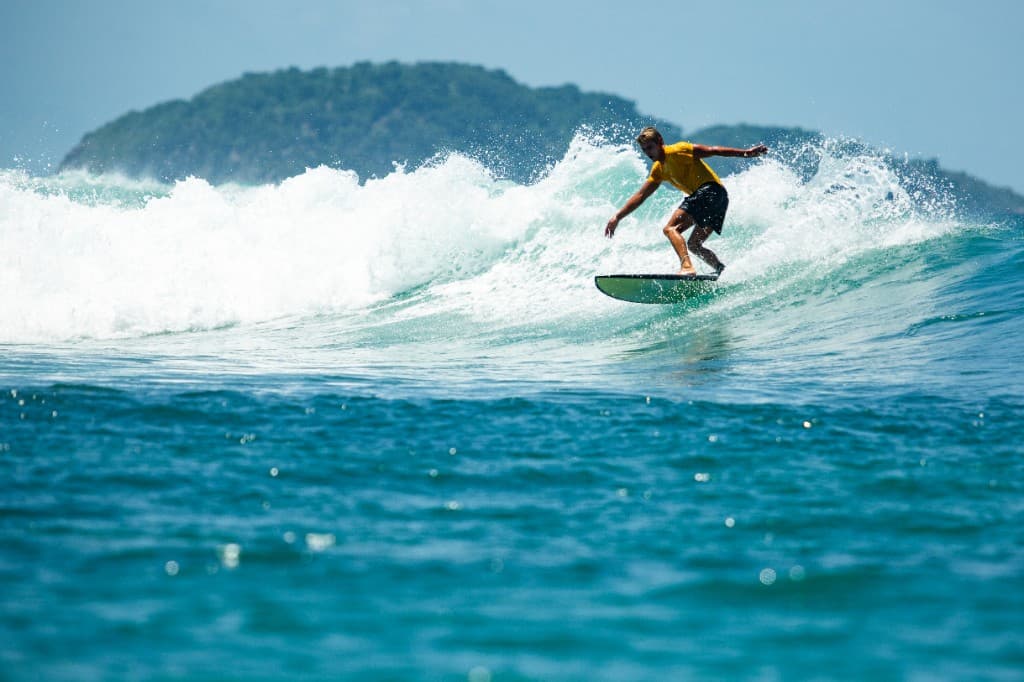
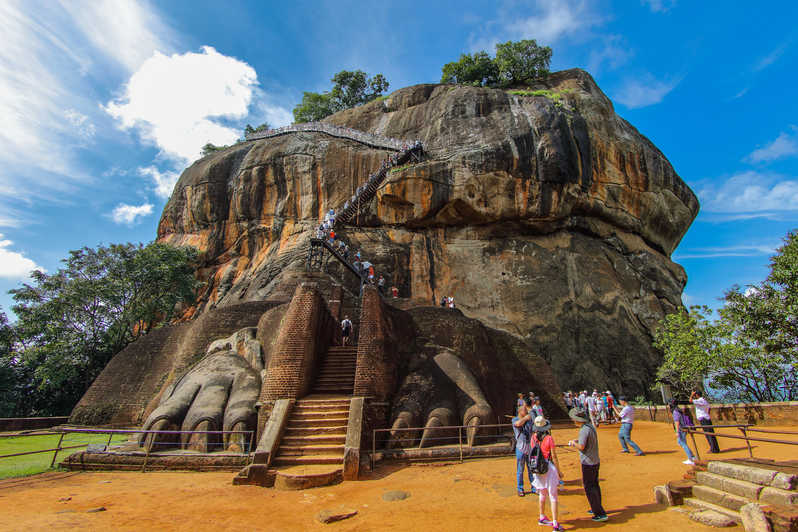
Sri Lanka offers incredible diversity in a compact island. Top highlights include climbing the ancient Sigiriya Rock Fortress, taking the iconic scenic train ride from Kandy to Ella, spotting leopards on a safari in Yala National Park, and unwinding along the golden southern beaches of Mirissa and Galle.

Overview

Why Sri Lanka captivates

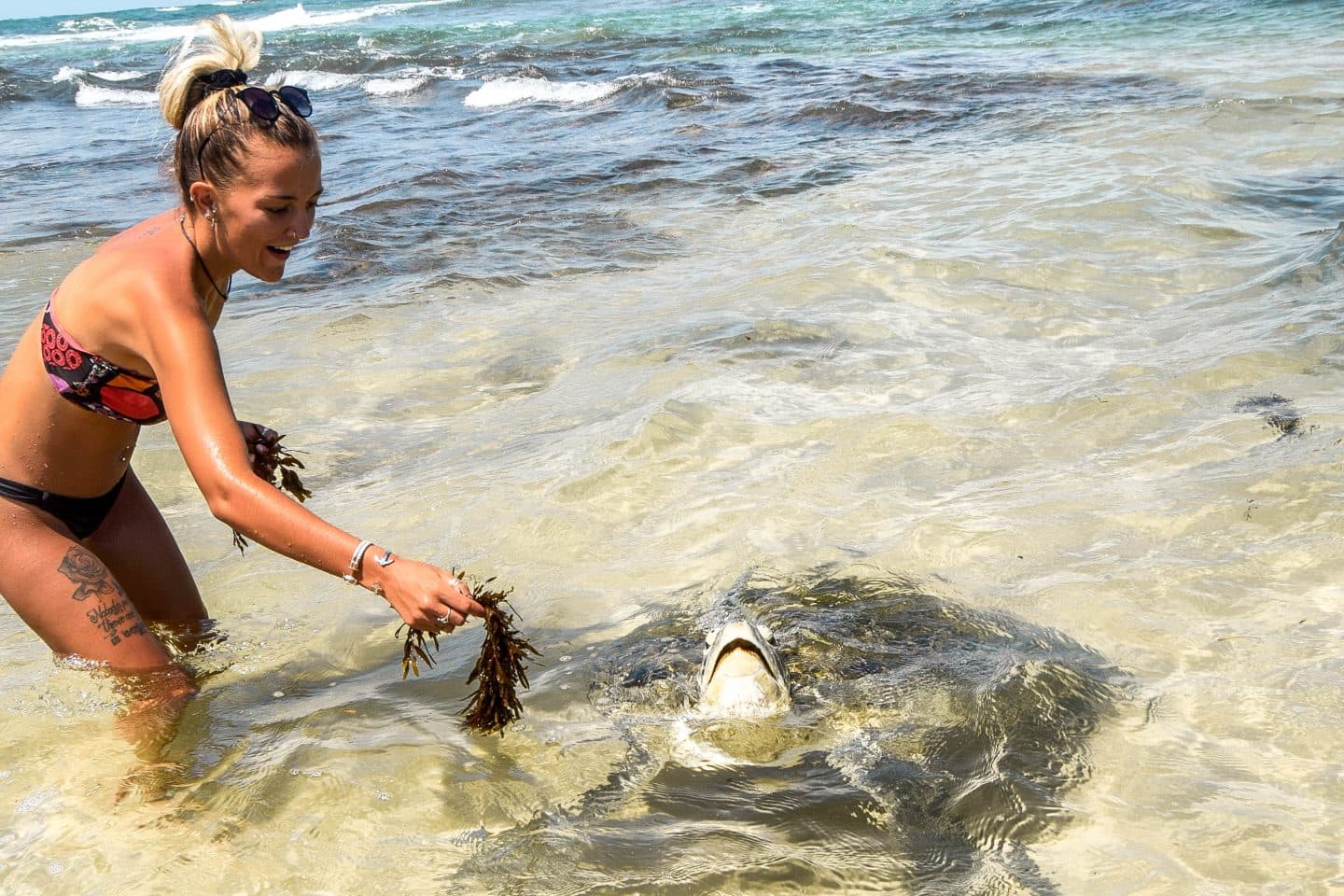
Sri Lanka offers incredible diversity in a compact island. Top highlights include climbing the ancient Sigiriya Rock Fortress, taking the iconic scenic train ride from Kandy to Ella, spotting leopards on a safari in Yala National Park, and unwinding along the golden southern beaches of Mirissa and Galle.

At a glance

Top experiences by theme

Culture, wildlife, hill country, and adventure across a compact island.

Cultural and Historical Sites

Cultural and Historical Sites

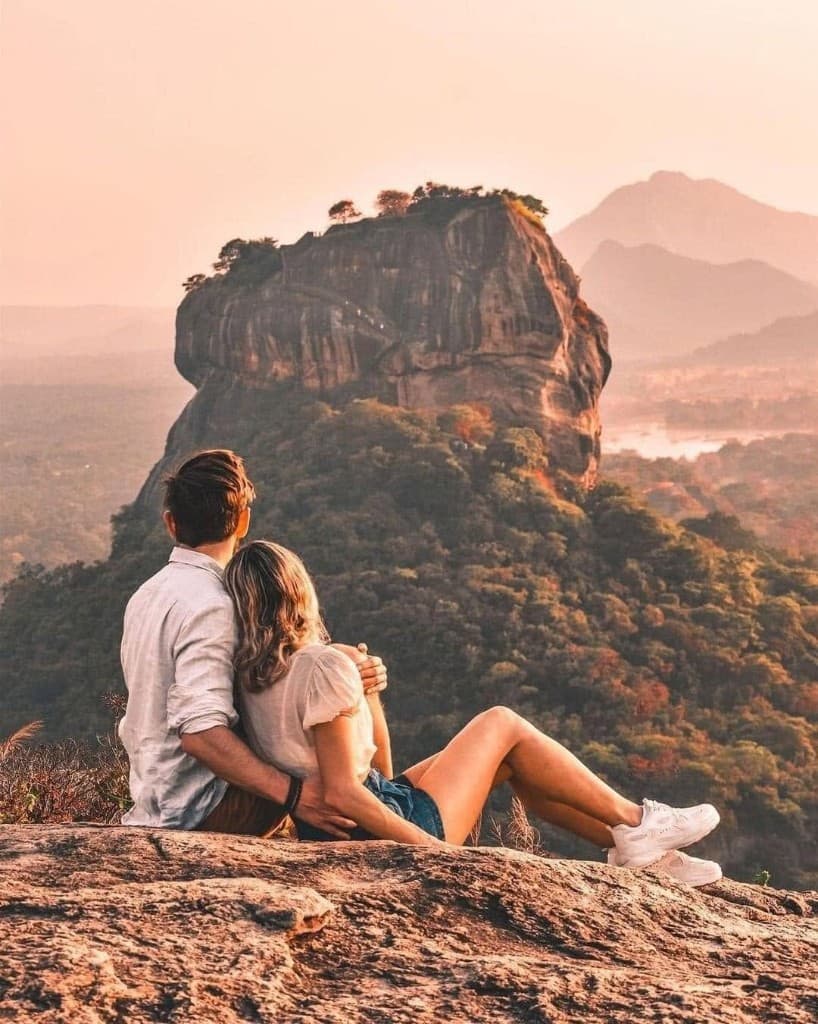
  • Scale Sigiriya Lion Rock or hike nearby Pidurangala Rock for panoramic views.
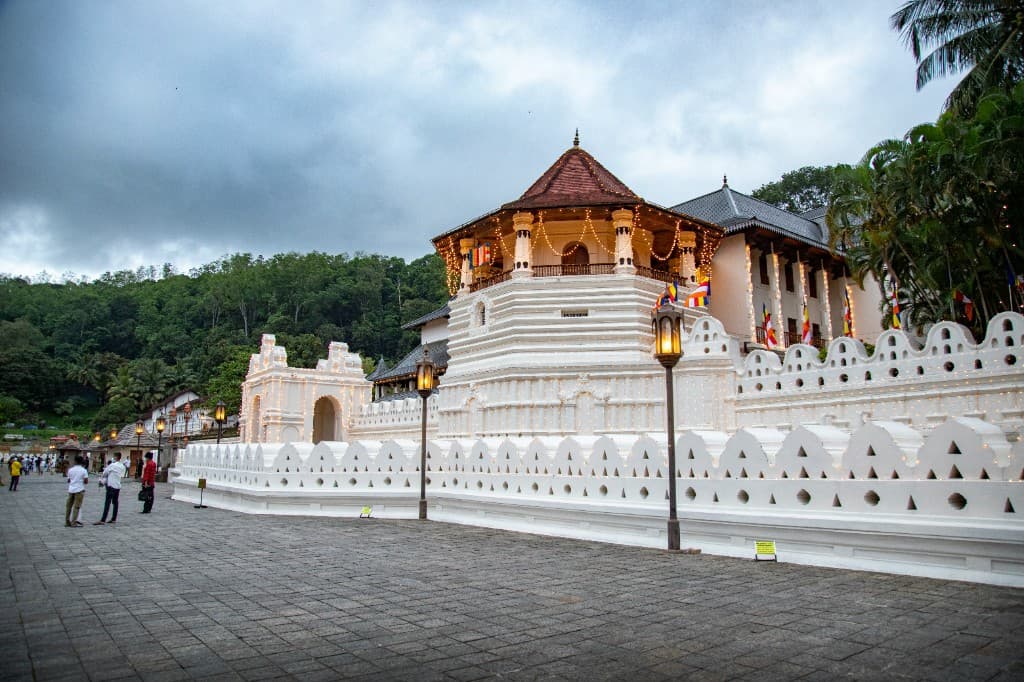
  • Explore the sacred Temple of the Tooth Relic in Kandy.
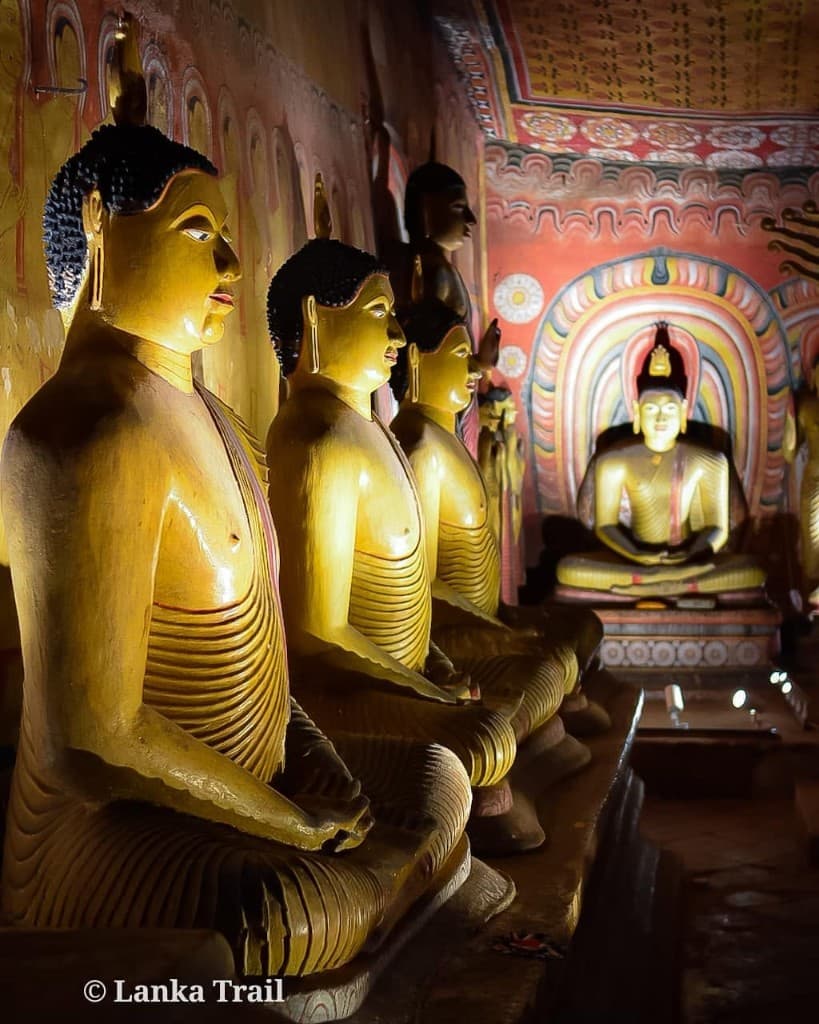
  • Discover the cave paintings and statues at the Dambulla Cave Temple.
  • Walk through the historic, walled colonial alleys of Galle Fort.
  • Wander through ancient ruins in Anuradhapura and Polonnaruwa.
Nature and Wildlife

Nature and Wildlife

  • Go on an elephant safari in Minneriya or Udawalawe National Park.
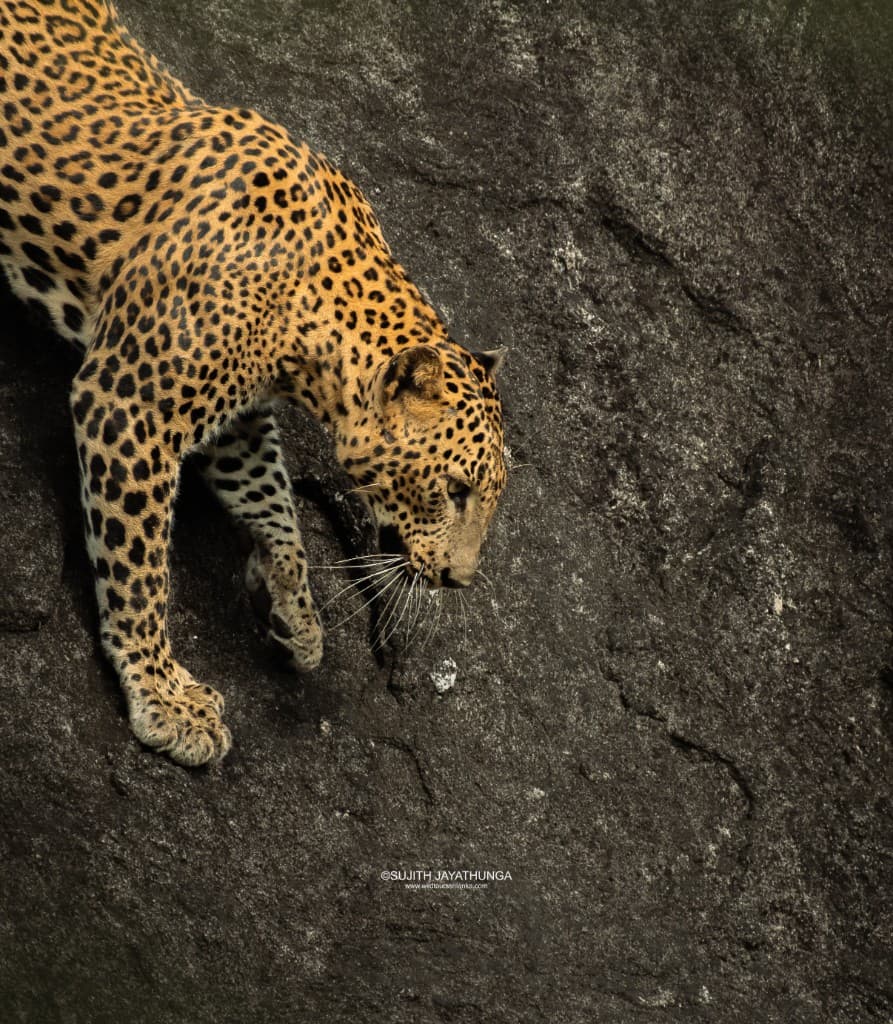
  • Search for wild leopards and sloth bears in Yala, Wilpattu, or Kumana National Park.
  • Explore Sinharaja Forest Reserve, Sri Lanka’s last viable primary tropical lowland rainforest and a haven for endemic flora and fauna.
  • Spot blue whales and dolphins off the coast of Mirissa.
  • Snorkel or dive with marine life at Pigeon Island near Trincomalee.
Mountain and Hill Country

Mountain and Hill Country

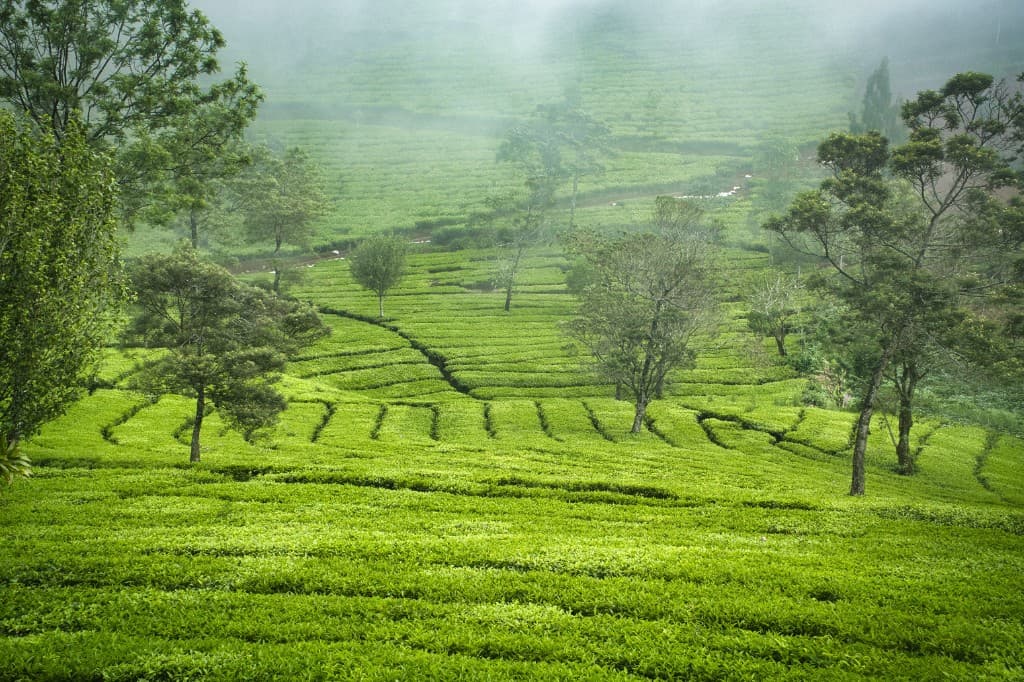
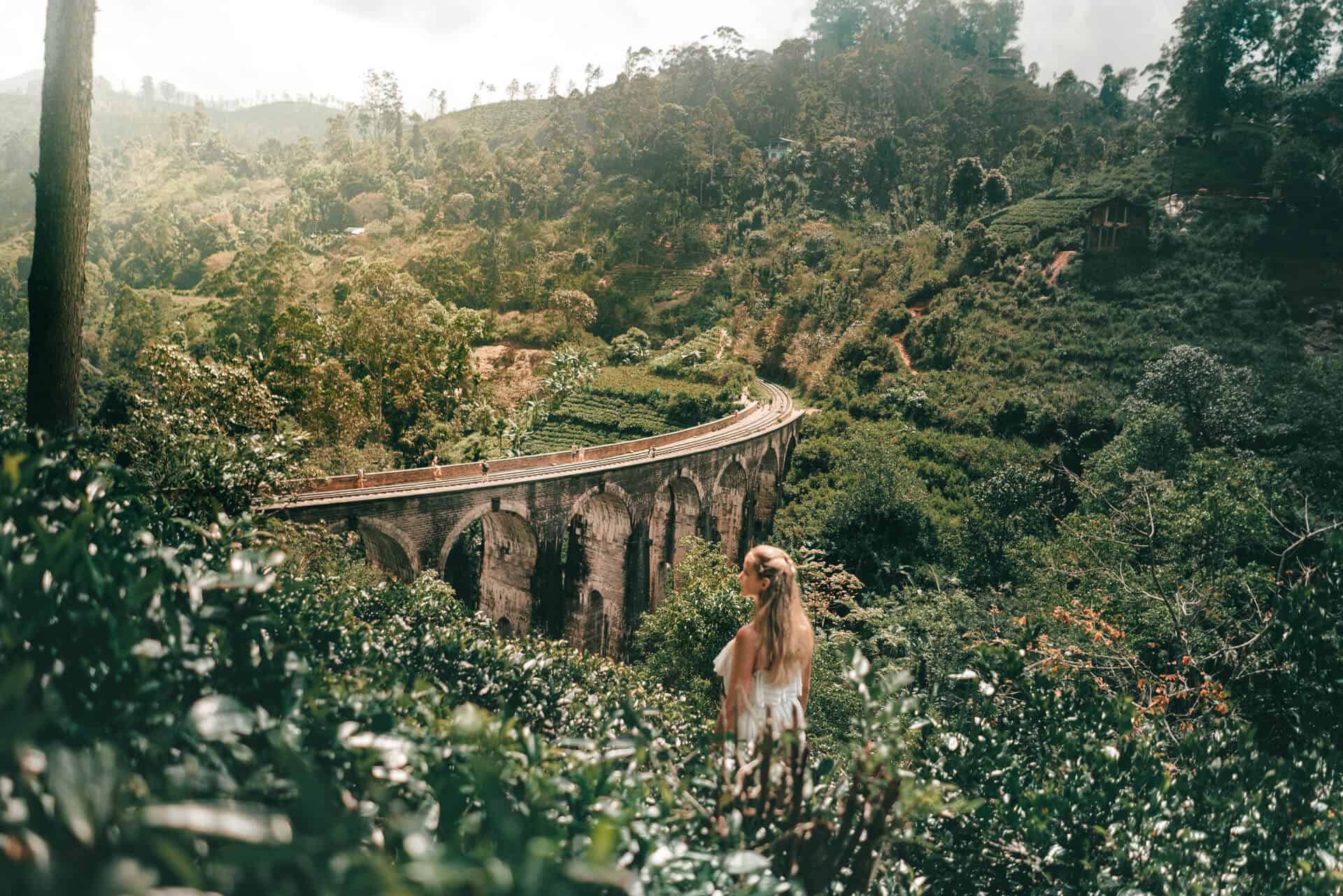
  • Ride the famous blue train through misty green tea mountains from Kandy to Ella or Nanu Oya to Ella.
  • Snap photos at the historic Nine Arch Bridge in Ella.
  • Hike up Little Adam’s Peak or Ella Rock for sunrise.
  • Visit lush emerald tea factories in Nuwara Eliya.
Adventure and Thrills

Adventure and Thrills

  • Walk the Pekoe Trail — a curated 300-kilometer long-distance trail spanning 22 stages through the island’s central Highlands.
  • Take a hot air balloon ride around Kandalama Lake, Sigiriya, and Dambulla to witness a marvel sunrise.
  • White water rafting on the scenic Kelani River in Kitulgala.

Deep dives

Iconic places to explore

Practical guides to Sri Lanka’s most celebrated heritage sites, parks, and coastal landmarks.

Sacred City of Anuradhapura

Destination guide

Sacred City of Anuradhapura

The Sacred City of Anuradhapura is a UNESCO World Heritage site and one of the oldest continuously inhabited cities in the world. Established in the 4th century BC, it served as the first capital of ancient Sri Lanka for over 1,300 years. It was the epicenter of Theravada Buddhism, grand engineering, and monastic culture until it was abandoned in 993 AD following a South Indian invasion. Unlike Sigiriya’s vertical layout, Anuradhapura is a vast, sprawling complex stretching over 40 square kilometers (15 square miles), characterized by giant brick monuments known as dagobas (stupas), royal pleasure gardens, and ancient reservoirs (wewas).

The Eight Sacred Places (Atamasthana)

While there are hundreds of smaller ruins, Buddhist pilgrims and travelers focus on the eight primary sacred monuments:

  • Jaya Sri Maha Bodhi is a sacred fig tree in the Mahamewna Gardens within Anuradhapura. Planted in 288 BC, it is the oldest human-planted tree in the world with a verified planting date — a southern-branch cutting from the Bodhi Tree in Bodh Gaya under which Gautama Buddha attained enlightenment.
  • Ruwanweliseya (Ruwanweli Maha Seya / Swarnamali Maha Seya), built by King Dutugemunu around 140 BCE, stands about 338 feet (103 meters). Famed for its classic bubble shape, it holds a massive collection of the Buddha’s bodily relics and remains actively revered.
  • Ancient Jetavana Monastery includes a stupa built by King Mahasena (273–301 CE). Once 122 meters (400 ft) tall, it was the tallest stupa in the ancient world and remains the largest brick structure ever built — about 93.3 million baked bricks — and holds a part of a belt or sash worn by the Buddha.
  • Abhayagiri Buddhist Monastery, established in the 1st century BCE by King Vattagamani Abhaya, grew into a massive international university for Theravada, Mahayana, and Vajrayana scholarship. In the 5th century, Chinese pilgrim Faxian recorded over 5,000 resident monks.
  • Thuparamaya is recognized as the first historical Buddhist stupa in Sri Lanka, dating to the 3rd century BCE under King Devanampiya Tissa. It is believed to enshrine the right collarbone of the Buddha, with concentric stone pillars that once supported a protective wooden roof.

Other Unique Archaeological Highlights

  • The Kuttam Pokuna (Twin Ponds): sophisticated ancient pool engineering used by monks for ritual baths, with underground filtering and a lion-headed spout.
  • The Samadhi Buddha Statue in Mahamewna Park: a 4th-century crystalline limestone carving of Buddha in deep meditation, among Sri Lanka’s finest sculptures.
  • Isurumuniya Rock Temple: famous for exquisite rock carvings, especially the “Isurumuniya Lovers,” a 5th-century Gupta-style relief.

Travel Information

Ticket Cost
$30 USD for international adults (valid for the entire Archaeological Area).
Ticket Exclusions
Sri Maha Bodhi and Isurumuniya require separate small entries (~$1–$3 USD).
Opening Hours
7:00 AM – 5:30 PM daily (monuments remain accessible for evening prayers).
Time Needed
Minimum 1 full day (5 to 7 hours) to appreciate the primary ruins.

Dress Code & Etiquette

  • Dress conservatively: shoulders and knees must be completely covered. Bring a sarong or light scarf.
  • Remove shoes and hats before entering any temple boundary or stupa platform. Bring thick socks — stone paths get extremely hot.
  • Never pose facing away from a Buddha statue for photos or selfies — it is viewed as a severe sign of disrespect.
Ancient City of Polonnaruwa

Destination guide

Ancient City of Polonnaruwa

The Ancient City of Polonnaruwa is a UNESCO World Heritage site and served as Sri Lanka’s magnificent second capital from the 11th to the 13th centuries. After South Indian Chola invaders destroyed Anuradhapura, Sinhalese kings relocated the capital here. King Vijayabahu I drove out the invaders, and later rulers transformed Polonnaruwa into a golden metropolis of monumental architecture, lush gardens, and advanced water management. Unlike sprawling Anuradhapura, Polonnaruwa is more compact, well-preserved, and easy to navigate inside a sheltered archaeological park.

1. The Royal Palace Group

  • Palace of King Parakramabahu I: originally a massive 7-story brick building with 1,000 rooms; towering 3-meter-thick walls still show sockets for wooden floor beams.
  • The Royal Bath (Kumara Pokuna): a beautifully tiered stone-cut pool fed by underground gravity pipes from the nearby lake.
  • Audience Hall / Council Chamber of King Parakramabahu the Great (1153–1186 CE): exceptionally well preserved.

2. The Sacred Quadrangle (Dalada Maluawa)

The architectural heart of Polonnaruwa, with the highest concentration of unique buildings on a single raised terrace:

  • The Vatadage: circular relic house with stone pillars, guardstones, four seating Buddhas, and a famous Moonstone.
  • Hatadage and Atadage: ancient shrines built to house the sacred Tooth Relic before it moved to Kandy.
  • Nissanka Latha Mandapaya: stone pavilion with curved pillars carved like twisting lotus stems.
  • Thuparamaya Image House: finest surviving gedige-style vault-roofed image house with its original brick vault intact after nine centuries.
  • Gal Potha (Stone Book): a ~26-foot (8.2 m), 25-ton inscription commissioned by King Nissanka Malla — the largest stone slab inscription in the country.

3. The Northern Group

  • Rankoth Vehera: the largest completed stupa in Polonnaruwa at 55 meters (180 feet).
  • Lankatilaka Image House: cathedral-like brick walls over 17 meters high with a giant headless standing Buddha.

4. The Masterpiece: Gal Vihara

Four large Buddha images carved into a single granite face:

  • A 4.6-meter Seated Buddha in deep meditation.
  • A smaller seated Buddha flanked by Hindu deities.
  • A rare 7-meter Standing Buddha with crossed arms.
  • A breathtaking 14-meter Reclining Buddha depicting the final passing into Nirvana.

Travel Information

Ticket Cost
$30 USD for international adults (keep your ticket handy for checkpoints).
Where to Buy
Tickets must be purchased at the Polonnaruwa Archaeological Museum before entering.
Opening Hours
7:00 AM – 5:30 PM daily.
Time Needed
3 to 5 hours to explore all major sites thoroughly.
Best Way to Move
Bicycle rental ($3–$4 USD) outside the museum is the most rewarding way to explore.

Tips for Your Visit

  • Spot the Toque Macaque monkeys — do not feed them or leave bags unattended on bike baskets.
  • Remove shoes and hats on stone platforms around religious monuments; bring thick white socks for hot stone slabs.
  • View the Parakrama Samudra (Sea of Parakrama) — a vast man-made lake that still irrigates thousands of paddy fields.
Sigiriya

Destination guide

Sigiriya

The Sigiriya Rock Fortress (Lion Rock) is a UNESCO World Heritage site declared in 1982 and one of the world’s most spectacular examples of ancient urban planning, engineering, and water management. Rising abruptly 200 meters (660 feet) from the central plains, this massive granite monument contains the ruins of a short-lived 5th-century kingdom.

History

  • Built by King Kasyapa (477–495 AD), who assassinated his father King Dhatusena to seize the throne from his half-brother Moggallana.
  • Fearing retaliation, Kasyapa fled Anuradhapura and transformed this magma plateau into a fortified royal citadel.
  • After Kasyapa’s defeat, Sigiriya became a Buddhist monastery until the 14th century. Early Brahmin inscriptions from the 1st–2nd centuries also record offerings of the monastery to monks.

Layout & What You Will See

  • The Royal Gardens: among the oldest landscaped gardens in the world, with Water Gardens, Boulder Gardens, and Terraced Gardens.
  • The Frescoes (Cloud Maidens): 1,500-year-old paintings of celestial women. Photography is strictly illegal here to protect the pigments.
  • The Mirror Wall: a polished glaze wall where centuries of visitors left graffiti and poems valuable to Sinhalese language history.
  • The Lion’s Paw Terrace: colossal brick lion paws — remnants of a giant lion structure through whose mouth the staircase once climbed.
  • The Summit Palace: 1.6-hectare summit with throne, rock-cut bathing pools, and unmatched 360-degree views.

Travel Information

Opening Hours
5:00 AM – 6:30 PM daily (ticket sales close around 5:00 PM).
Foreigner Ticket Price
$35 USD for Non-SAARC adults (includes Sigiriya Museum admission).
SAARC Ticket Price
$20 USD (valid passport required at checkout).
Climb Difficulty
Moderate to strenuous — about 1,200 paved and steel stairs to the top.
Time Required
2.5 to 4 hours for gardens, museum, and the climb.
Dress Code
No strict religious dress code — it is an ancient palace site rather than a temple.

Tips for Your Visit

  • Start early — be at the ticket counter around 5:30 AM to beat heat and staircase queues.
  • Beware wasps/hornets on the rock face; keep voices down. Rangers may direct visitors into mesh safety cages if nests are agitated.
  • No drones — motor noise can disturb hornet colonies.
  • No photography or videography in the fresco area.
Dambulla Cave Temple

Destination guide

Dambulla Cave Temple

The Dambulla Cave Temple (Golden Temple of Dambulla) is a UNESCO World Heritage site and the largest, best-preserved cave temple complex in Sri Lanka. Towering 160 meters (525 feet) above the plains, this granite rock holds five caves filled with Buddhist mural paintings and 157 statues. It has been a sacred pilgrimage site for over 22 centuries.

The History: A King’s Sanctuary

  • In the 1st century BC, King Valagamba fled Anuradhapura during a South Indian invasion and found refuge in these caves with Buddhist monks.
  • After reclaiming his throne, he transformed the caves into magnificent rock temples in gratitude.
  • Later kings expanded the shrines; in the 12th century King Nissanka Malla added gold leaf gilding — Ran Giri (Golden Rock).

Inside the Five Caves

  • Cave 1 – Devaraja Viharaya: a 14-meter reclining Buddha carved from granite, with Ananda at his feet and Vishnu near his head.
  • Cave 2 – Maharaja Viharaya: the largest cave (~52 m wide, 23 m deep) with 50+ statues, vivid ceiling frescoes, and a sacred everlasting drip of water.
  • Cave 3 – Maha Aluth Viharaya: 18th-century cave by Kirti Sri Rajasinha with a 9-meter reclining Buddha and Kandyan geometric ceiling art.
  • Cave 4 – Pachchima Viharaya: smaller cave with a seated Buddha under a Makara Torana arch.
  • Cave 5 – Devana Aluth Viharaya: early 20th-century cave with brick-and-plaster statues including Hindu deities Kataragama and Vishnu.

Travel Information

Ticket Cost
$10 USD (approx. 3,000 LKR) for international adults.
Important Note
Ticket office is at the base of the rock — you cannot buy tickets at the top cave entrance.
Opening Hours
7:00 AM – 7:00 PM daily (ticket booth closes around 5:30 PM).
The Climb
About 360 stone steps — roughly 15–20 minutes.
Time Needed
1.5 to 2 hours for the walk, climb, and cave exploration.

Rules for Entry (Strictly Enforced)

  • Shoulders and knees must be completely covered. Tight leggings, tank tops, and short skirts are banned — bring a sarong.
  • Remove shoes and hats at the storage counter before the white temple courtyard; thick socks recommended.
  • Photos without flash are allowed to protect pigments. Never pose with your back to a Buddha statue.
Temple of the Sacred Tooth Relic

Destination guide

Temple of the Sacred Tooth Relic

The Sri Dalada Maligawa, commonly known as the Temple of the Sacred Tooth Relic, is a UNESCO World Heritage site in Kandy’s royal palace complex. It is the most sacred place of worship in Theravada Buddhism and houses the left canine tooth of the Lord Buddha. Historically, whoever held custody of the Tooth Relic held the divine right to rule the nation.

The Epic Journey of the Relic

  • Preserved in India after the Buddha’s passing in 543 BC, the relic was smuggled to Sri Lanka in the 4th century AD by Princess Hemamali and Prince Dantha, hidden in the princess’s hairstyle.
  • As capitals shifted southward under invasion pressure, new temples safeguarded the tooth. It finally came to Kandy under King Vimaladharmasuriya I and has remained there since.

Layout & What You Will See

  • The Moat and Octagon (Pattirippuwa): iconic facade tower that today houses palm-leaf manuscripts.
  • The Drumming Hall (Hewisi Mandapaya): Kandyan drummers perform during daily ritual hours.
  • The Upper Floor Relic Chamber: the tooth is kept inside seven interlocking golden caskets — visitors see the outer casket through a gold-plated doorway.
  • The Alut Maligawa (New Wing): Buddha statues donated by international Buddhist nations and paintings of the relic’s journey.
  • The Sri Dalada Museum: artifacts, royal gifts, and temple history.

Travel Information

Ticket Cost
2,000 LKR (approx. $7–$8 USD) for international adults, includes a mini audio guide.
Opening Hours
5:30 AM – 8:00 PM daily.
Tewava (Ritual) Hours
5:30–7:00 AM | 9:30–11:00 AM | 6:30–8:00 PM.
Time Needed
1.5 to 2 hours for shrines, museum, and palace grounds.

Visitor Rules (Strictly Policed)

  • White or light clothing preferred. Shoulders and knees covered; long pants or maxi skirts required.
  • Leave shoes at secure storage; bags go through airport-style screening.
  • To see the golden casket, visit during Tewava hours and arrive 30 minutes early for the upper-floor queue.
Kandy Esala Perahera

Destination guide

Kandy Esala Perahera

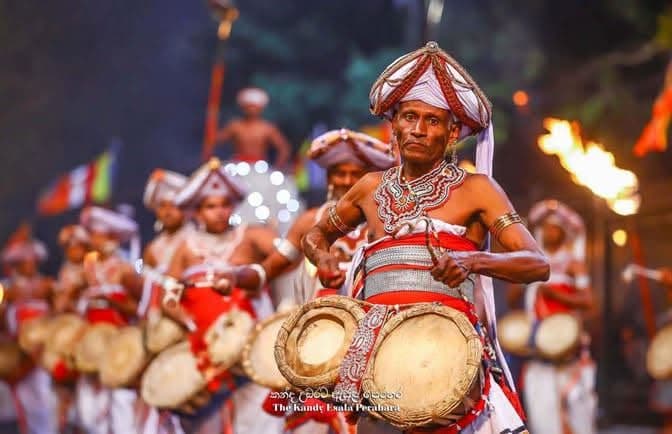
The Kandy Esala Perahera (Festival of the Tooth) is one of Asia’s oldest and most spectacular cultural-religious pageants. Held annually over ten nights in Kandy, it features fire dancers, whip-crackers, drummers, and illuminated elephants — paying homage to the Sacred Tooth Relic and invoking blessings for rain and a bountiful harvest.

Ancient Preparations: The Kap Situveema Ritual

  • The festival begins with Kap Situveema: at an auspicious hour, a young unblemished jackfruit tree that has never borne fruit is felled.
  • The trunk is split into four logs for the four historic Devales: Natha, Vishnu, Kataragama, and Goddess Pattini.
  • For five days, internal processions occur inside shrine courtyards before public street parades begin.

Festival Structure: The 10 Nights

  • Kumbal Perahera (first 5 nights): smaller, more subdued processions — ideal for fewer crowds.
  • Randoli Perahera (final 5 nights): lavish processions with maximum dancers, musicians, and decorated elephants. The Final Night (Maha Randoli) is the climax.

The Water-Cutting Ceremony (Diya Kepeema)

At dawn after the 10th night, priests from the four Devales carry sacred swords and vessels to the Mahaweli River at Getambe for a symbolic cutting of the current and collection of blessed water for the year ahead. A final daytime Dahawal Perahera concludes the festival.

Order of the Procession

  • Whip-crackers and fire dancers clear the streets.
  • Flag bearers and Peramune Rala lead with historic Kandyan provincial flags.
  • Hundreds of Geta Beraya drummers and Ves dancers in silver headdresses.
  • The Maligawa Tusker carries the illuminated golden replica casket of the Tooth Relic on a white carpet.
  • Four Devale processions follow: Natha, Vishnu, Kataragama, and Pattini.

Travel Information

When It Happens
Esala lunar month (July or August).
Duration
10 consecutive nights, ending with a daytime water-cutting ritual.
Timing
Street processions typically start around 6:30–7:00 PM and can last 3–5 hours.
Cost to Watch
Free on street curbs; $30–$100+ USD for premium balcony seats.
Dress Code
Shoulders and knees must be completely covered.

Tips for Attending the Perahera

  • Book accommodation and trains months in advance — Kandy fills completely.
  • Free curb seats require arriving by noon or 1:00 PM; paid stands offer guaranteed seating and bathrooms.
  • Streets near the Temple of the Tooth and Kandy Lake offer iconic photography backdrops.
  • Keep valuables in a secure front bag — streets get extremely crowded.
Wilpattu National Park

Destination guide

Wilpattu National Park

Sri Lanka’s largest and oldest protected sanctuary, Wilpattu National Park spans 1,317 square kilometers (508 square miles) along the northwest coast. Unlike crowded Yala trails, Wilpattu offers a raw, tranquil wildlife experience — premier for Sri Lankan leopard, sloth bear, and Asian elephants. It is renowned for “Willus” — natural, rainwater-fed, sand-rimmed lakes that serve as vital watering holes.

Wildlife Highlights

  • Sri Lankan Leopard: stable wild population often photographed on branches or lake rims.
  • Sri Lankan Sloth Bear: among the best places in Sri Lanka to spot them, especially during Palalu fruit season (May–July).
  • Asian elephants, spotted deer, barking deer, sambar, and wild boar.
  • Over 150 bird species including Painted Stork, Spoonbill, Crested Serpent Eagle, and endangered Black-necked Stork.

The Unique Geology of the Willus

Wilpattu means “Land of Lakes.” Nearly 60 natural basins fill with seasonal rainwater, framed by white sand rims that give clear sightlines when animals come to drink. Some coastal willus are brackish, attracting different bird and crocodile species.

Travel Information

Park Ticket Cost
Approx. $25–$30 USD per foreigner (entry, conservation fees, and taxes).
Opening Hours
6:00 AM – 6:00 PM daily (last entry 4:00 PM).
Best Months
February to October — dry season wildlife gathers around remaining lakes.
Safari Duration
Half-day (6:00–11:00 AM) or full-day (6:00 AM–4:00 PM).

Tips for Your Wilpattu Safari

  • Choose Wilpattu for a peaceful safari with fewer jeeps than Yala.
  • Enter via Hunuwilgama Gate on the Puttalam–Anuradhapura road.
  • Pack a picnic for full-day tours — no shops inside the park.
  • Bring a light jacket for chilly 6:00 AM open-jeep starts.
Minneriya National Park

Destination guide

Minneriya National Park

Located in Sri Lanka’s Cultural Triangle, Minneriya National Park spans 88.9 square kilometers and is globally celebrated for “The Gathering” of Asian Elephants — recognized by Lonely Planet as one of the Top 10 Wildlife Spectacles in the World — centered on an ancient reservoir over 1,700 years old.

The Elephant Gathering

  • From July to October, as water holes dry, hundreds of elephants migrate to Minneriya Tank, built by King Mahasen in the 3rd century.
  • Visitors can see 200–300 elephants at once — matriarchs with calves, young bulls play-fighting, and herds grazing on grass exposed by the receding waterline.

Other Wildlife

  • Elusive leopard and endangered sloth bear in denser jungle.
  • Spotted deer, sambar, wild buffalo, wild boar, Toque Macaque, and Purple-faced Langur.
  • Important Bird Area with Painted Storks, Spot-billed Pelicans, White-bellied Sea Eagle, and Grey-headed Fish Eagle.

Travel Information

Park Ticket Cost
Approx. $25–$30 USD per foreigner.
Opening Hours
6:00 AM – 6:00 PM daily (last entry 4:30 PM).
Peak Months
August and September for maximum Gathering density.
Best Time of Day
Afternoon safaris (3:00–6:00 PM) as elephants emerge onto open plains.

Tips for Your Minneriya Safari

  • Elephants move between Minneriya, Kaudulla, and Hurulu Eco Park — ask which park has the best herds on the day.
  • Book a private jeep to find quieter vantage points during peak congestion.
  • Never encourage drivers to get too close — females protect calves closely.
  • Pack sun protection for intense reservoir-plain afternoon sun.
Kaudulla National Park

Destination guide

Kaudulla National Park

Kaudulla National Park spans 66.5 square kilometers in the North Central Province and forms a critical elephant corridor with Minneriya and Girithale. Built around the historic Kaudulla Tank, it is renowned for wild Asian elephant density and often offers a less congested alternative for The Gathering.

The Kaudulla Elephant Migration

  • Elephants roam freely between Minneriya, Kaudulla, and Hurulu Eco Park.
  • From July to October, up to 200–250 elephants converge on Kaudulla Tank shores.
  • Expect family units bathing, nursing calves, and solitary bulls on scrub borders.

Biodiversity Beyond Elephants

  • Leopard and sloth bear in denser forests (elusive).
  • Spotted deer, sambar, wild boar, wild buffalo, and grey langur.
  • Important Bird Area for pelicans, painted storks, open-bills, spoonbills, and raptors.

Travel Information

Park Ticket Cost
Approx. $25–$30 USD per foreigner.
Opening Hours
6:00 AM – 6:00 PM daily (last entry 4:30 PM).
Best Months
August to December; September–October peak for elephants.
Best Safari Time
Evening safaris (3:00–6:00 PM).

Tips for Your Kaudulla Safari

  • Keep jeep booking flexible — your driver can choose Minneriya or Kaudulla based on same-day herd locations.
  • November–December rains bring excellent migratory birdwatching as elephants disperse.
  • Choose an experienced 4x4 driver for muddy lakeside tracks.
Yala National Park

Destination guide

Yala National Park

Spanning 979 square kilometers along the southeast coast, Yala (Ruhuna) is Sri Lanka’s most famous wildlife sanctuary — globally renowned for one of the highest leopard densities in the world. Its ecosystem blends thorny scrub, wetlands, lakes, granite monoliths, and Indian Ocean coastline.

Wildlife Highlights: The Big Three

  • Sri Lankan Leopard: Block 1 is a global hotspot; leopards are often bold along tracks and boulders.
  • Sri Lankan Sloth Bear: best chances May–July during palu fruiting season.
  • Asian Elephants: solitary bulls and family herds on plains, water holes, and coastal dunes.
  • Also common: mugger crocodiles, water buffalo, spotted deer, wild boar, grey langurs, and ruddy mongooses — plus 215+ bird species.

The Five Blocks of Yala

  • Block 1 (Ruhuna): highest leopard density and iconic coast — most visited zone.
  • Block 2: quieter across the Menik River, excellent birdwatching.
  • Blocks 3, 4, and 5: denser forest, uncrowded and serene.

Travel Information

Park Ticket Cost
Approx. $30–$35 USD per foreigner.
Opening Hours
6:00 AM – 6:00 PM daily (last entry 4:30 PM).
Peak Months
February to June dry season.
Annual Park Closure
Block 1 often closes 4–6 weeks around September–October for conservation — check before booking.

Tips for Your Yala Safari

  • Beat crowds with early morning or full-day safaris, or quieter Blocks 3/5.
  • Stay in Tissamaharama or near Palatupana Gate.
  • Bring layers, dust protection, sunscreen, binoculars, and a long lens (300mm+).
Udawalawe National Park

Destination guide

Udawalawe National Park

Spanning 308 square kilometers across Sabaragamuwa and Uva Provinces, Udawalawe is one of Sri Lanka’s most iconic reserves — established in 1972 to shelter animals displaced by the Udawalawe Reservoir. It offers some of Asia’s most reliable year-round wild Asian elephant sightings across open savanna-like grasslands and wetlands.

Wildlife Highlights

  • Permanent herd of roughly 600–700 wild elephants — easy to spot year-round in open terrain.
  • Water buffalo, sambar, axis deer, barking deer, wild boar, hares, and jackals; leopard and sloth bear are resident but rarely seen.
  • Birdlife includes Sri Lanka Junglefowl, Changeable Hawk-Eagle, Malabar Pied Hornbill, Painted Stork, and Little Green Bee-eaters.

Elephant Transit Home (ETH)

Just outside the park, this conservation facility cares for orphaned wild elephant calves with minimal human contact before release into Udawalawe. Visitors can watch bottle-feeding from a viewing platform at scheduled times.

Travel Information

Park Ticket Cost
Approx. $25–$30 USD per foreigner.
Opening Hours
6:00 AM – 6:00 PM daily (last entry 4:30 PM).
Best Months
Year-round; May–September dry season is exceptional along the reservoir edge.
Safari Duration
Half-day morning or afternoon is usually enough.

Tips for Your Udawalawe Safari

  • Afternoon safaris (3:00–6:00 PM) are best for elephant viewing.
  • Pair with Elephant Transit Home feedings at 9:00 AM, 1:00 PM, or 5:00 PM.
  • Pack polarized sunglasses, sunscreen, and water for open-plain glare.
Sinharaja Rain Forest

Destination guide

Sinharaja Rain Forest

Spanning 112 square kilometers across the southwest wet zone, Sinharaja is a UNESCO World Heritage site and International Biosphere Reserve — the last viable remnant of Sri Lanka’s primeval tropical lowland rainforest. Over 60% of its trees are endemic, making it a critical sanctuary for rare reptiles, amphibians, and mammals.

Wildlife Highlights

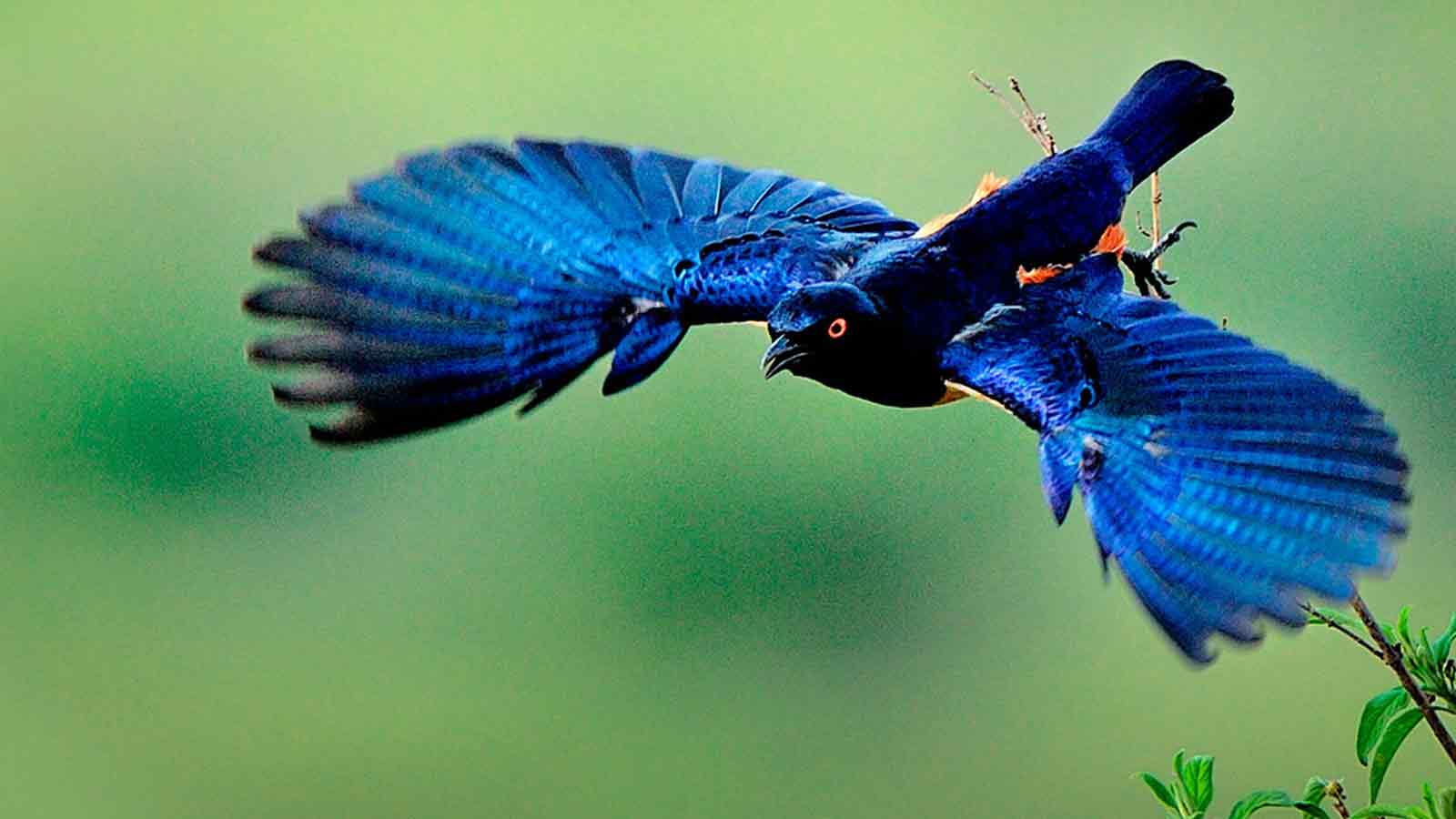
  • Mixed-species bird flocks (“bird waves”) led by Crested Drongo and Orange-billed Babbler — often including Sri Lanka Blue Magpie and Red-faced Malkoha.
  • Endangered Purple-faced Langur in the high canopy.
  • Green Pit Viper, Hump-nosed Lizard, and many endemic frogs.
  • A tiny, elusive “ghost” elephant herd deep in the interior.

Trekking Trails & Waterfalls

  • Moulawella Trail: scenic 3–4 hour climb to panoramic canopy views.
  • Sinhagala Trail: demanding full-day 5–7 hour hike to Lion Rock peak.
  • Waterfall circuit: shorter paths to Duwili Ella and Kakuna Ella.

Travel Information

Park Ticket Cost
Approx. $15 USD per foreigner (excludes guide fees).
Mandatory Guide Fee
$15–$25 USD — an official tracker/guide is compulsory.
Opening Hours
6:00 AM – 6:00 PM daily (last entry 4:30 PM).
Best Trekking Months
January–April and August–September (least rain, fewer leeches).
Primary Gates
Kudawa (north, general trekking) and Deniyaya Mederipitiya (south, waterfalls).

Tips for Your Sinharaja Trek

  • Wear high-top leech socks; anti-leech spray, eucalyptus oil, or salt water helps.
  • Hire a specialized birding guide for photography goals.
  • Pack waterproof dry bags and a rain poncho.
  • Start at daybreak (6:00 AM) for active birds and cooler humidity.
Galle Fort

Destination guide

Galle Fort

Galle Fort (Galle Dutch Fort) is a UNESCO World Heritage site on Sri Lanka’s southwest coast. Originally built by the Portuguese in 1588 and extensively fortified by the Dutch in the 17th century, this 52-hectare rocky peninsula is a living historic citadel of homes, boutique hotels, cafes, and a vibrant multi-ethnic community — the best-preserved fortified colonial city in South and Southeast Asia.

Architecture: A European–Asian Fusion

  • Fourteen massive granite and coral bastions, including Sun, Moon, and Star Bastions at the land gate.
  • Dutch grid street layout with tidal underground brick sewers.
  • Colonial bungalows with thick walls, columns, courtyards, and verandahs for tropical airflow.

Walking Route Highlights

  • Galle Lighthouse on Point Utrecht Bastion — Sri Lanka’s oldest light station.
  • Dutch Reformed Church (Groote Kerk, 1755) with baroque facade and engraved tombstone floors.
  • Old Gate with British royal arms outside and 1669 VOC monogram inside.
  • Maritime Museum in a 1656 Dutch warehouse.
  • Ramparts at sunset near Triton Bastion — locals and travelers gather as cliff divers leap into the waves.

Travel Information

Entrance Fee
Free — no ticket required for fort streets or ramparts.
Museum Fees
National Maritime Museum approx. $5 USD.
Opening Hours
Public spaces 24/7; shops/cafes generally 9:00 AM – 10:00 PM.
Best Time to Walk
7:00–9:00 AM or 4:00–6:30 PM.
Time Required
3 to 4 hours including lunch or coffee.

Tips for Your Visit

  • No religious dress code — shorts and beachwear are fine; dress respectfully in churches/mosques.
  • Shop Pedlar Street and Church Street for linen, tea, and ethically sourced blue sapphire jewelry.
  • Watch children on rampart stairs — many lack handrails.
  • Stay inside the walls if possible — evenings become a peaceful romantic enclave after day buses leave.

Begin your journey

Ready to experience these highlights?

Tell us what you want to see — heritage cities, wildlife safaris, hill country trains, or the southern coast — and we’ll craft your private itinerary.